
Top 7 Benefits of Switching to a Modular Boiler System
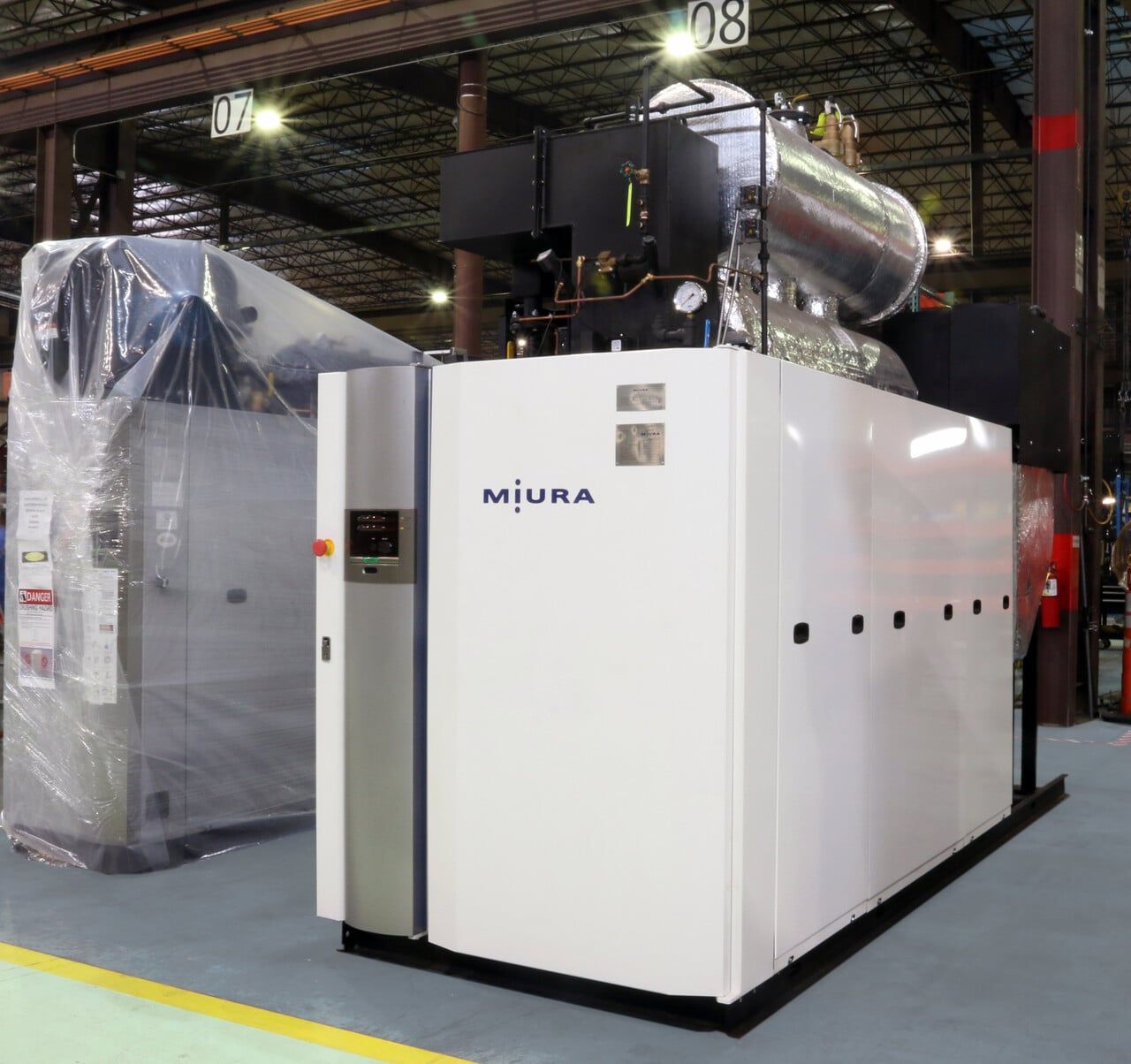
Florida's industrial facilities run hard. Year-round operations, high humidity, and no seasonal slowdowns to use as natural maintenance windows—the pressure on steam infrastructure here is relentless. If your facility is still relying on a single large boiler, the Miura Boiler offers a fundamentally different approach, and the gap between the two is wider than most facility managers expect until they've seen it firsthand.
This isn't a theoretical comparison. These are the practical, operational differences that show up in energy bills, maintenance schedules, compliance reports, and production continuity. Here are the seven that matter most.
Benefit 1: Built-In Redundancy With a Modular Boiler System
Single-boiler facilities carry a risk that's easy to underestimate—until it materializes. One unit goes down for an unexpected repair, and the entire operation loses steam. In industries where processes can't simply pause and resume, that's not an inconvenience. It's a crisis.
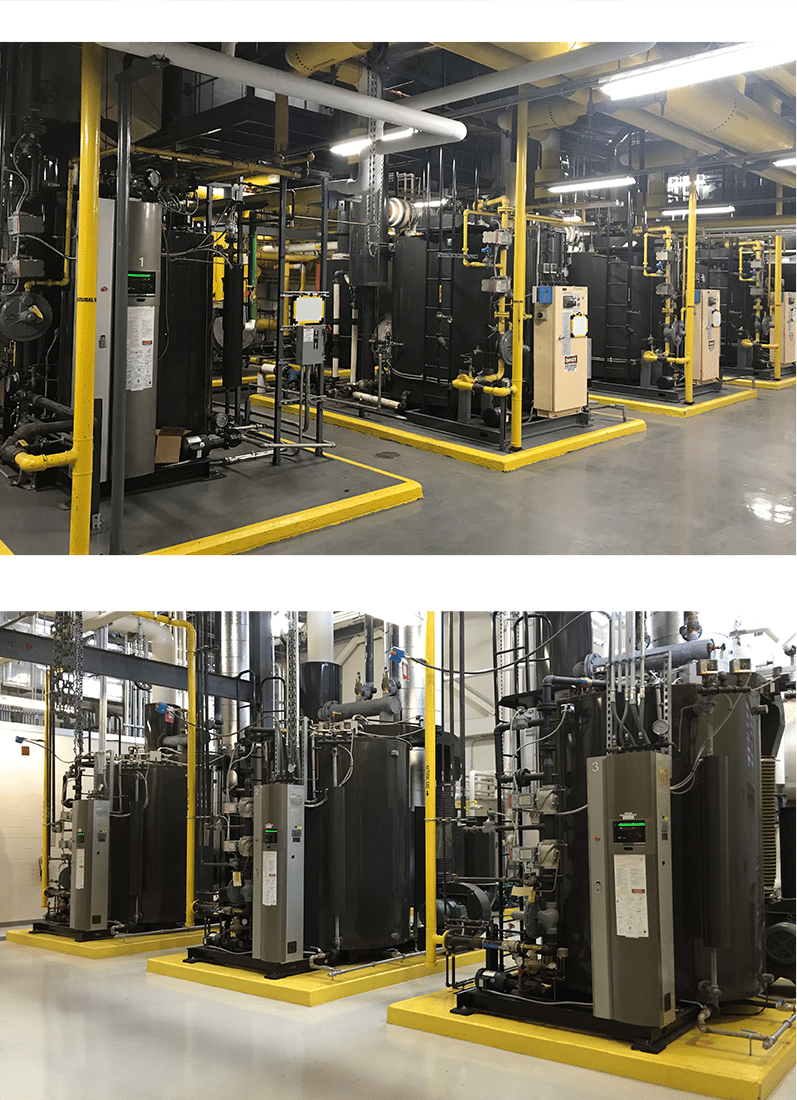
A modular boiler system changes the math entirely. Multiple units run in parallel, each sized to carry a portion of the total load. If one requires service, the others absorb the demand and keep the facility running. Production doesn't stop. Processes stay online. The financial exposure from unplanned downtime — which can run into thousands of dollars per hour in a food processing or pharmaceutical facility — drops significantly.
This is usually where people run into problems with traditional systems: they don't recognize the single point of failure until they're already dealing with the consequences. Modular design eliminates that vulnerability by design, not by accident.
For hospitals, pharmaceutical manufacturers, food and beverage processors, and any operation where continuous steam is a hard operational requirement, redundancy isn't a feature. It's the foundation everything else is built on.
Benefit 2: Measurable Savings With Energy-Efficient Boilers
Oversized boilers are inherently wasteful. They cycle on and off throughout the day to match variable demand, burning fuel during startup and cooldown phases that contribute nothing to production. Over a 12-month period, that cycling waste represents a significant portion of total fuel spend.
The Miura Boiler was engineered around on-demand steam generation. Units fire when steam is needed and modulate output to match actual load—not theoretical peak capacity. That's what makes it one of the genuinely energy-efficient boilers in industrial use today. Not a claim based on laboratory conditions, but a measurable outcome that shows up in utility costs.
Most facilities document meaningful reductions in energy spend after making the switch. The savings compound over time as fuel costs fluctuate and operations scale. For Florida facilities dealing with year-round cooling loads and already elevated utility costs, the efficiency gains are a direct bottom-line improvement.
Benefit 3: Rapid Steam Generation — A Core Miura Boiler Advantage
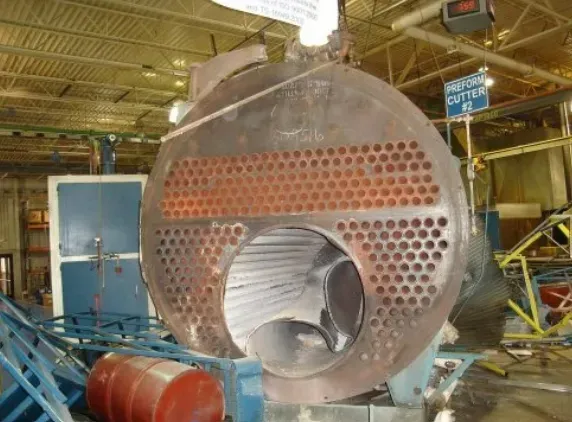
Speed matters more than most people account for in boiler system planning. Traditional firetube boilers can take 30 minutes or longer to reach full operating pressure from a cold start. That's 30 minutes of fuel consumption and zero steam output every time the system comes online.
Miura's watertube design changes that completely. Full operating pressure in under five minutes from cold. For facilities running multiple shifts, managing variable demand throughout the day, or responding to unexpected load spikes, that startup speed is a concrete operational advantage.
Less time waiting for pressure means less idle time for production teams, less fuel burned on startup, and more flexibility in how you schedule and manage steam availability. It's a small number — five minutes versus thirty — that translates into a meaningful operational difference across a full year of operation.
Benefit 4: Space Efficiency With Compact Boiler Systems
Industrial facilities don't have room to waste. Traditional large-format boiler installations require substantial floor space, significant clearances on all sides, and often constrain future facility layout decisions for years after installation. Retrofitting or reconfiguring the space later is complicated and expensive.
Compact boiler systems like Miura's are designed for real-world facility constraints from the start. Individual units have a small footprint. Because the system is modular, units can be arranged to fit available space—in a row, stacked in appropriate configurations, or distributed across a facility where space permits. The installation adapts to the building, not the other way around.
For Florida facilities that deal with hurricane-season logistics, limited expansion space, or the kind of facility planning pressure that comes with growing operations, that spatial flexibility has direct practical value. Future capacity additions don't require new construction or major floor plan disruption — just the addition of another unit within the existing footprint.
Benefit 5: Scalable Capacity — The Modular Boilers Benefit That Grows With You
Facility demand changes. New product lines come online. Operations expand. Seasonal load shifts create periods of higher steam demand. Your boiler system needs to keep pace with all of it without requiring a complete replacement every time capacity requirements shift.
With a traditional industrial steam boiler system, scaling up typically means replacing the entire unit — a major capital expenditure, a long equipment lead time, and significant installation disruption to an operation that can't afford to pause. The modular boiler's benefits include something traditional systems simply can't offer: the ability to add capacity incrementally, one unit at a time, without taking the existing system offline.
Miura's Multiple Installation System (MIS) is the technical framework behind this. Multiple Miura units linked under a single integrated control system, scalable as your facility's requirements evolve. You start with the capacity you need today. You add when growth demands it. No overcapacity from day one driving up operating costs. No undersizing later, forcing a complete replacement.
That's a different way of thinking about infrastructure investment—one that aligns capital expenditure with actual operational need rather than projected future demand that may or may not materialize.
Benefit 6: Maintenance Without Shutting Down — A Modular Steam Boiler Advantage
Planned maintenance on a single-boiler installation means one thing: the facility goes offline, or it runs on whatever backup capacity is available. Neither option is ideal, and in continuous-operation facilities, neither is really acceptable.
A modular steam boiler setup changes the maintenance equation. One unit can be taken offline for its annual inspection, scheduled service, or a Miura maintenance plan visit while the remaining units in the installation continue to carry the load. The facility keeps running. Production doesn't stop. The maintenance team does its work without a production shutdown attached to the schedule.
Boiler Technologies Unlimited administers the full range of Miura factory maintenance programs for Florida facilities — the Miura MIC maintenance plan, the comprehensive Miura MMP maintenance plan, and the Miura MMP+ protection plan with extended component coverage. All service is performed by factory-certified technicians following Miura-defined protocols, and every service event produces the structured documentation that pharmaceutical, food processing, and healthcare facilities need for regulatory compliance and insurance purposes.
The maintenance experience on a modular system is quieter, less disruptive, and better documented than what most facilities are used to with traditional boiler infrastructure. That difference accumulates over years of operation.
Benefit 7: High-Efficiency Steam Boilers Built for Modern Emissions Standards
Emissions compliance is tightening, not loosening. Low NOx requirements are expanding across Florida and nationally, and older boiler technology frequently struggles to meet updated thresholds without add-on equipment, costly retrofits, or full replacement. Facilities that delay the conversation find themselves dealing with it under more pressure and on a shorter timeline than they'd like.
High-efficiency steam boilers like the Miura LX-Series and EX-Series are engineered for low emissions from the factory floor. They meet stringent NOx requirements without supplemental equipment, which simplifies permitting, keeps compliance documentation clean, and removes one more variable from the regulatory picture.
For facilities in pharmaceutical production, food and beverage processing, or healthcare—industries where environmental compliance intersects directly with operating licenses and audits—this built-in emissions performance is a material advantage. You're not retrofitting your way to compliance. You're starting there.
A boiler system upgrade to a Miura platform doesn't just address today's requirements. It positions the facility ahead of requirements that are still tightening.
Why This Matters Specifically in Florida
Florida's industrial sector runs year-round. There are no cold-season shutdowns, no natural breaks in the operating calendar that allow extended maintenance windows. Steam systems here are expected to perform continuously in high humidity, through hurricane season, and in a utility cost environment where efficiency carries real financial weight.
The Miura Boiler addresses the full stack of those challenges. Redundancy handles continuity. On-demand efficiency handles operating costs. Compact design handles space constraints. Scalability handles growth. Low emissions handle compliance. Modular maintenance handles the operational reality of never quite having a good time to take the whole system offline.
That's not a coincidence. It's what the platform was designed to do.
Conclusion
The decision to upgrade your steam infrastructure isn't one most facility managers take lightly. Capital expenditure, operational disruption, vendor selection, commissioning — there's real complexity involved. But the facilities that have already made the switch to a modular Miura Boiler platform consistently report the same thing: they wish they'd done it sooner.
Lower energy costs. Better redundancy. Simpler maintenance. Built-in scalability. Emissions compliance that doesn't require constant attention. These aren't abstract promises—they're documented operational outcomes from facilities that run the same kinds of processes yours does.
Boiler Technologies Unlimited is the factory-authorized Miura dealer and service provider for Florida. Our factory-certified technicians handle sales, installation, commissioning, and the full range of Miura maintenance programs. We provide 24/7 emergency response statewide because reliable equipment and reliable service are part of the same commitment.